
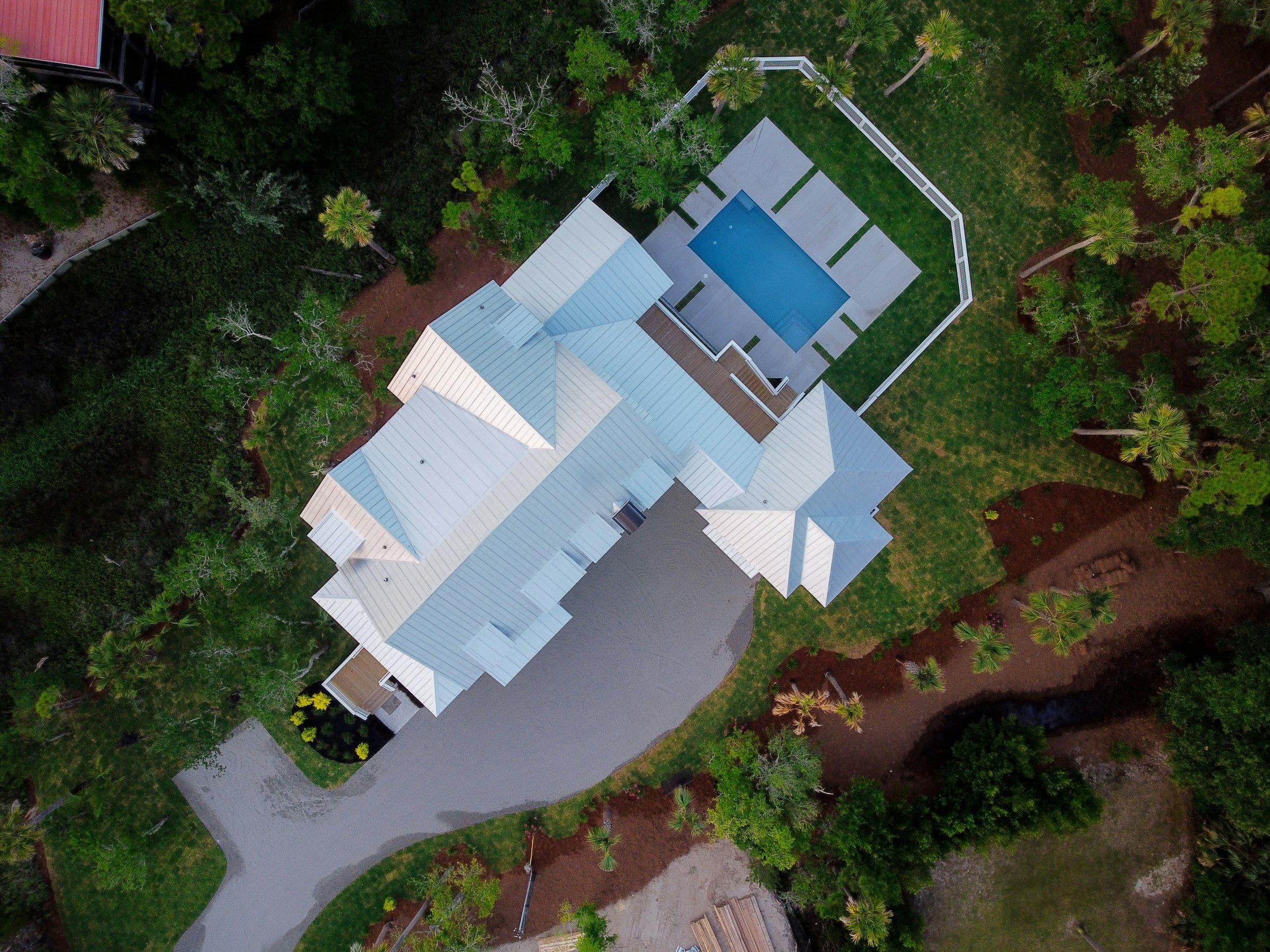
Hurricane season is a fact of life in Florida, and insurers reward homes that are built to stand up to it. So, what is a wind mitigation inspection? It is a visual inspection that documents the wind-resistant features of your home on the state's OIR-B1-1802 form, so your insurer can apply the discounts you qualify for. Knowing what the inspector looks for helps you prepare and understand your report. Our wind mitigation inspection service covers homes throughout Palm Beach County, Broward County and other parts of Central and South Florida.
What is a wind mitigation inspection?
A wind mitigation inspection is not a pass or fail test. The inspector simply records what is there, with photos as proof, and the insurer uses that information to set your windstorm credits. A typical inspection includes time on the exterior, a walk around the home and time in the attic, where many of the key features can only be verified.
The form is generally valid for up to five years. For details on renewal, see how long a wind mitigation report is valid in Florida.
The seven items a wind mitigation inspector checks
1. Building code
The inspector looks at the permit date or year built to determine whether the home was built to the Florida Building Code in effect after the major code updates of the early 2000s. In Broward County, which is part of the High-Velocity Hurricane Zone, stricter standards apply. Newer construction often earns better credits here.
2. Roof covering
This item documents the roof covering type and whether it meets the required code or product approval standards. Permit records for a roof replacement help the inspector verify compliance.
3. Roof deck attachment
In the attic, the inspector checks how the roof sheathing is fastened to the trusses. Nail size and spacing matter. Sheathing attached with larger nails at closer spacing resists uplift better than staples or smaller nails at wider spacing.
4. Roof-to-wall attachment
This is how the roof structure is connected to the walls. Common categories include:
- Toe nails, which provide the least resistance
- Clips, which are metal connectors attached to the side of the truss
- Single wraps, where a strap wraps over the top of the truss on one side
- Double wraps, where straps wrap over the truss on both sides
Stronger connections may qualify for larger discounts, depending on your insurer. The inspector needs clear access to the attic to see these.
5. Roof geometry
Roof shape wind mitigation credits are some of the most valuable on the form. Hip roofs, which slope down on all four sides, perform better in high winds than gable roofs, which have flat triangular ends. The inspector measures roof sections to determine whether the roof qualifies as a hip roof under the form's rules. Flat roofs and mixed roof shapes are documented as well.
6. Secondary water resistance
Secondary water resistance (SWR) is an extra barrier, such as self-adhered membrane or taped seams, installed under the roof covering. If shingles or tiles blow off, it helps keep water out. It is hard to confirm without documentation, so roof permits and contractor paperwork are helpful.
7. Opening protection
Openings include windows, entry doors, sliding glass doors, garage doors and skylights. The inspector checks whether each one is protected by impact-rated products or approved coverings.
Hurricane shutters wind mitigation credits depend on the type and rating of the shutters. Approved accordion shutters, roll-down shutters and properly rated panels can qualify, but every opening generally needs protection to earn the top category. A single unprotected window or garage door can lower the rating. Product approval labels, stickers on impact glass and installation paperwork make verification easier.
How each item affects your discount
Insurers assign credits based on the combination of features on your form. A few general patterns:
- A hip roof combined with strong roof-to-wall connections often has features that may qualify for significant credits
- Full opening protection on every opening may qualify for an additional discount
- Upgrading a single weak link, such as an unprotected garage door, can move your home into a better category
Your insurer's discount tables determine the final number, so ask your agent to rerun your quote with the report. Savings are never guaranteed and vary by insurer and policy.
How to prepare for the inspection
- Clear a path to the attic access and remove stored items beneath it
- Gather permits and receipts for the roof, windows, doors and shutters
- Have shutter panels, hardware and product approval paperwork available
- Make sure the inspector can reach the garage door label if it is impact rated
- Unlock gates so the inspector can walk the full exterior
If your home is older, your insurer may also want a four-point inspection. Learn what a four-point inspection covers and consider booking both through our insurance inspection services.
Frequently asked questions
Do I need to be home for a wind mitigation inspection?
Not always, but someone needs to provide access to the attic, garage and interior. Being present lets you share permits and ask questions.
Can an older home qualify for wind mitigation discounts?
It may. Older homes can still have features that may qualify for credits, such as hip roofs, retrofitted clips or added shutters. The report documents whatever qualifies.
Will the inspector check my roof condition?
The wind mitigation form focuses on wind-resistant features, not general condition. For a condition review, consider a roof drone inspection or a four-point inspection.
Schedule your wind mitigation inspection
Affordable Home Inspection, Inc. has been a licensed and insured inspection company since 1987, serving Palm Beach and Broward counties. Learn more about our wind mitigation inspection, check pricing, or schedule your inspection today. Reports are delivered within 24 hours.