
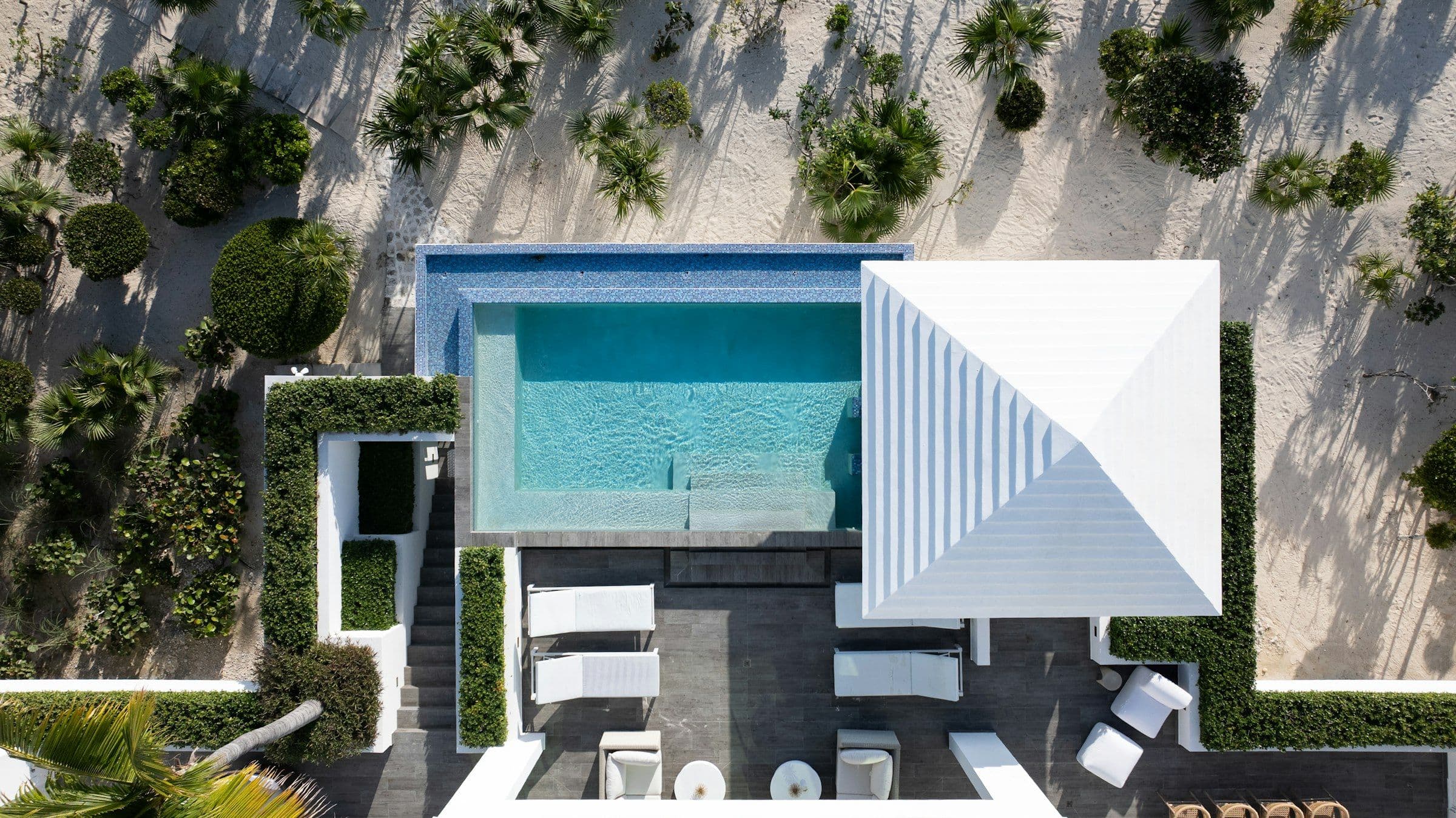
Pools are one of the most popular features in South Florida homes, and they are also one of the most expensive systems to repair. So it is natural to ask: does a home inspection include the pool? The short answer is that a standard home inspection usually covers the house itself, while the pool and spa need their own focused evaluation. If you are buying a home with a pool in Palm Beach or Broward County, adding a pool and spa inspection gives you a much clearer picture of what you are getting.
Does a home inspection include the pool?
A general home inspection is designed to evaluate the main systems of the house: roof, structure, electrical, plumbing, HVAC, interior and exterior. Pools and spas are separate systems with their own equipment, plumbing, electrical connections and safety requirements. Because of that, many inspection standards treat them as outside the scope of a basic home inspection unless they are specifically added.
During a standard inspection, an inspector may note obvious pool-related items they see while evaluating the property, such as:
- A deck that is cracked or trips people up near the house
- A visibly damaged screen enclosure attached to the home
- An open or broken gate in an obvious location
- Equipment that appears clearly damaged
These are passing observations, not a full pool evaluation. If the pool matters to your purchase decision, and in Florida it usually does, it should be inspected on its own.
What a separate pool and spa inspection covers
A dedicated pool inspection looks closely at the equipment, the structure and the safety features. Typical items include:
- Pump and motor: operation, noise, leaks at seals and fittings
- Filter system: type, condition and pressure readings
- Heater or heat pump: whether it fires or runs and visible condition
- Visible plumbing and valves: cracks, drips and corrosion at the equipment pad
- Electrical: bonding and grounding visible at equipment, GFCI protection where expected, lighting operation
- Pool surface: cracks, stains, roughness, delamination and chipped tile
- Coping and deck: loose coping, trip hazards and settlement
- Spa: jets, blower, heater, controls and surface
- Safety barrier: fences, gates, alarms, covers and door hardware
For a full rundown, see our article What does a pool inspection include?
Why a pool inspection when buying a house makes sense
A pool inspection when buying a house can save you from surprises after closing. Common issues found during pool inspections in South Florida include:
- Pumps and motors near the end of their life
- Heaters that do not fire or have corroded components
- Surface cracks or finishes that need resurfacing soon
- Missing or failing safety barriers
- Cracked skimmers or evidence of water loss
- Screen enclosures with torn panels or corroded frames
Knowing about these items before your inspection period ends gives you room to ask for repairs, request a credit or adjust your offer. It also helps you budget for future work.
Safety features matter in Florida
Florida's Residential Swimming Pool Safety Act, Chapter 515 of the Florida Statutes, requires new residential pools to have at least one approved pool safety feature. Options include a pool barrier, an approved safety cover, exit alarms on doors and windows that open to the pool, or self-closing and self-latching doors. Local rules can add more requirements. An inspector can point out safety features that are missing, damaged or not working so you can decide what to address, especially if you have young children or grandchildren visiting.
Pool inspection for home buyers: timing tips
To get the most from a pool inspection for home buyers:
- Book it together with your general home inspection so both reports arrive within your inspection window
- Make sure the pool is filled and the equipment has power
- Ask the seller for any service records, equipment ages or warranty paperwork
- If the home also has a screen enclosure, ask that it be reviewed as well
We can perform both inspections on the same visit, and reports are delivered within 24 hours. You can see our pricing or request a quote for a combined visit. If you are new to the process, our guide on what to expect at your home inspection walks you through the day.
Frequently asked questions
Does a home inspection include the spa or hot tub?
Usually not in detail. A built-in or standalone spa is typically evaluated as part of a separate pool and spa inspection, which checks the heater, jets, blower, controls and surface.
Can I skip the pool inspection if the pool looks clean?
Clear water does not tell you the condition of the pump, heater, plumbing or surface. Many costly issues are found at the equipment pad, not in the water.
Will the pool inspection tell me if the pool is losing water?
An inspector can note visible signs of water loss, such as cracks, damp areas or drips at the equipment. Pinpointing hidden underground leaks requires specialized testing outside a standard inspection.
Add a pool and spa inspection to your purchase
If the home you are buying has a pool or spa, a focused inspection protects one of the most valuable features on the property. Learn more about our pool and spa inspection service, or schedule your inspection along with your home inspection today.