
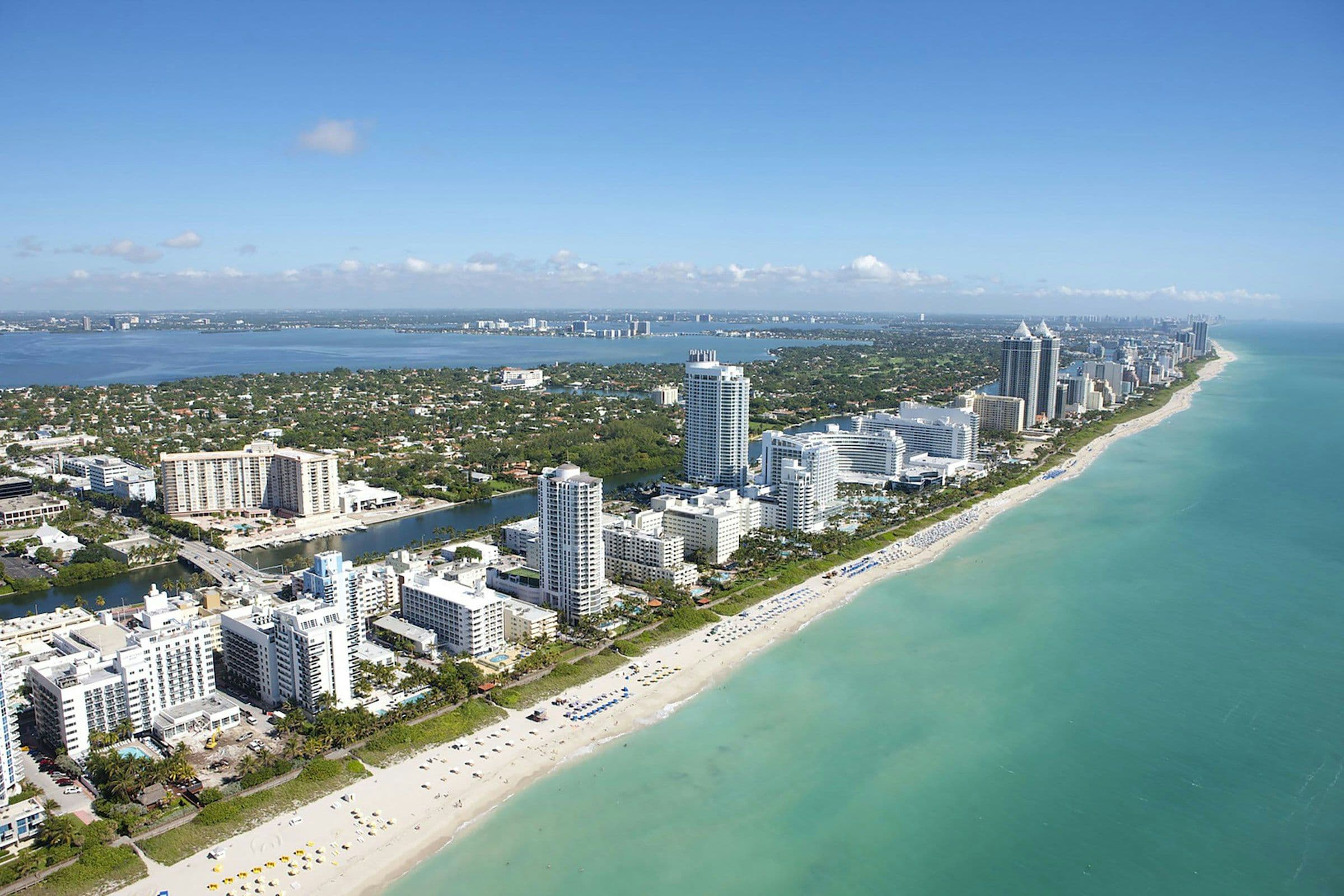
When a tropical storm or hurricane moves through Palm Beach or Broward County, the damage is not always obvious. A few missing shingles, a damp ceiling stain or a window that suddenly sticks can point to bigger problems hiding underneath. A careful home inspection after storm season, or right after a major weather event, helps you find damage early, document it for insurance and avoid costly surprises later. This guide walks you through what to check yourself and when it makes sense to schedule a professional residential home inspection.
Safety first before you start
Before you look at anything, make sure it is safe to be outside and inside the home.
- Stay out of flooded areas, including flooded garages and yards. Standing water can hide debris and may be energized.
- Keep well away from downed power lines and anything touching them. Report them to your utility right away.
- If you smell gas, see sparks, or your electrical panel or outlets got wet, do not touch them. Call the utility or a licensed electrician.
- Wear sturdy shoes and gloves, and do not climb onto a wet or damaged roof.
Damage can wait a few hours. Your safety cannot.
Your home inspection after storm checklist
Work from the outside in, and take photos as you go. Date-stamped pictures are very useful if you file an insurance claim.
Roof and gutters
The roof takes the hardest hit in most Florida storms. From the ground, or with binoculars, look for:
- Missing, lifted or creased shingles
- Cracked, slipped or broken roof tiles
- Bent or missing flashing around vents, chimneys and skylights
- Debris piled on the roof or in valleys
- Gutters pulled away from the fascia or clogged with leaves
Tile and metal roofs can hide damage that is hard to see from the yard. A roof drone inspection lets an inspector see the full roof surface without anyone walking on it.
Windows, doors and openings
Check every window and exterior door for cracked glass, damaged frames, failed seals and water stains on sills. Open and close each one. Doors and windows that suddenly bind may mean framing moved or water got into the frame. If you have shutters or impact-rated openings, look for dents, loose fasteners and damaged tracks.
Exterior walls, soffits and fascia
Walk the full perimeter. Look for cracked stucco, loose siding, missing soffit panels and gaps where wind-driven rain could get in. Damaged soffits are a common entry point for water and pests after a storm.
Ceilings, walls and the attic
Inside, scan every ceiling for new stains, sagging drywall or bubbling paint. If you can safely access the attic, look for:
- Wet or compressed insulation
- Daylight showing through the roof deck
- Damp or darkened roof sheathing
- Water trails along trusses or around vents
A small stain today can mean a slow leak that keeps soaking the attic every time it rains.
Electrical, HVAC and plumbing
Note any breakers that tripped, outlets that stopped working or lights that flicker. Do not reset or inspect anything that got wet. Check that the outdoor AC unit is level and free of debris, and that refrigerant lines are intact. Look under sinks and around the water heater for leaks.
Grounds, fences and pool area
Look for fallen trees or limbs near the house, erosion around the foundation, damaged fences and pool barriers, and debris in the pool. A broken pool fence or gate is a safety issue that should be fixed quickly.
Home inspection after hurricane: when to call a professional
A home inspection after hurricane damage goes further than a quick walk-around. It makes sense to schedule one when:
- You see any roof damage, ceiling stains or attic moisture
- Water entered the home, even briefly
- You are buying or selling a home that just went through a storm
- Your insurer asks for documentation or an updated report
- You simply want peace of mind before the next storm arrives
A licensed inspector looks at the roof, structure, attic, windows, electrical, plumbing and HVAC in a consistent way and gives you a written report with photos. Our reports are delivered within 24 hours, which helps when you are working with contractors and adjusters on a deadline. If you have insurance questions, our articles on wind mitigation inspections and four-point inspections explain what insurers usually want to see.
Watch for mold after hurricane damage
In South Florida's heat and humidity, mold after hurricane flooding or roof leaks can start growing within a day or two. Signs to watch for include:
- A musty or earthy smell that was not there before
- Dark spots on drywall, baseboards, ceilings or closet walls
- Peeling paint or warped trim near windows and doors
- Damp carpet or padding that does not dry out
Dry the area quickly with fans and dehumidifiers, remove soaked materials when it is safe to do so, and keep the AC running if it is working properly. If you notice ongoing odors or visible growth, a mold inspection can help identify moisture sources and affected areas. Our article on whether a home inspection includes mold testing explains how the two services differ.
Document everything for insurance
Good records make claims smoother:
- Take photos and video of all damage before cleanup
- Keep receipts for tarps, fans, repairs and temporary housing
- Save any damaged materials until your adjuster has seen them, if practical
- Keep a copy of your inspection report with your claim file
Frequently asked questions
How soon after a storm should I get my home inspected?
As soon as it is safe and you have checked for urgent hazards. Early inspection helps catch hidden leaks before they cause mold or structural damage, and it supports insurance claims that often have filing deadlines.
Can I inspect my own roof after a hurricane?
You can look from the ground or use binoculars, but avoid climbing on a wet or damaged roof. A professional or drone inspection is the safer way to see the full surface.
Does a home inspection after a storm check for mold?
A standard inspection notes visible moisture, staining and conditions that can lead to mold. Dedicated mold sampling and testing is a separate service you can add if needed.
Get your home checked after the storm
If your home went through a recent storm, a professional inspection gives you a clear picture of what was damaged and what needs attention first. Learn more about our residential home inspection, see pricing, or schedule your inspection today.